Explainer
What is a super PAC?
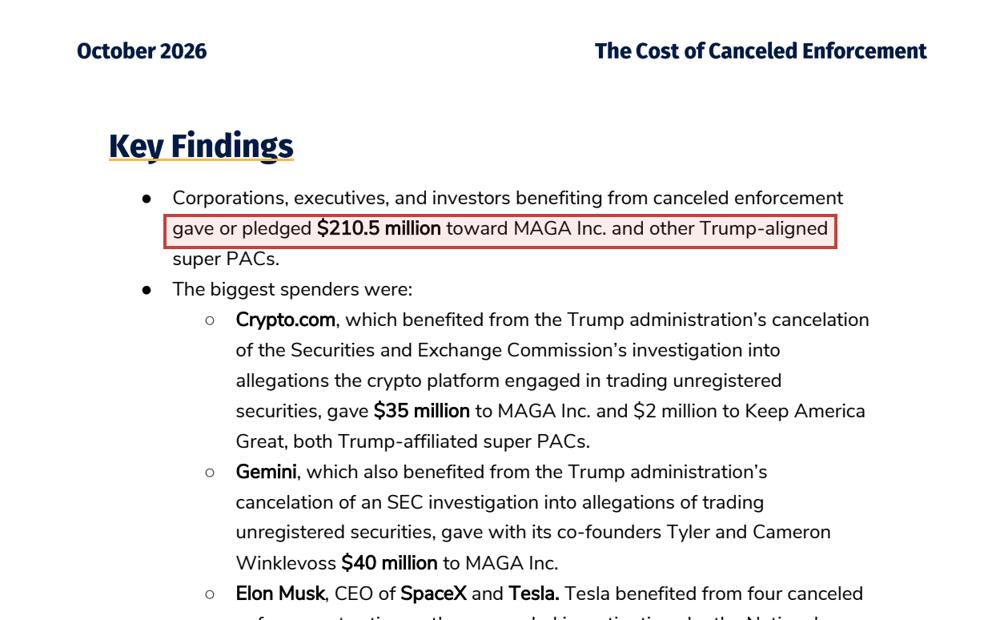
Super PACs can raise and spend unlimited money to influence elections. This guide covers how they work and what they have to disclose.
The short version
A super PAC is a political committee that can raise unlimited sums from individuals, corporations, unions, and other groups, and spend unlimited sums to support or oppose candidates. The Federal Election Commission calls them independent expenditure-only political committees.
Where they came from
Super PACs grew out of two 2010 court decisions. In Citizens United v. FEC, the Supreme Court held that the government cannot limit independent political spending by corporations and unions. Months later, in SpeechNow.org v. FEC, a federal appeals court ruled that contribution limits cannot apply to groups that only make independent expenditures.
The rules they follow
A super PAC may not give money directly to a candidate, and it may not coordinate its spending with a candidate or a party. It must register with the FEC and report its donors and its spending on a regular schedule.
Disclosure has limits. When a super PAC takes money from a nonprofit or a shell company that does not disclose its own donors, the original source can stay hidden. That is one of the main channels for dark money.
How Swamp Watch uses this
When we report that a donor gave to a super PAC, the figure comes from the committee's FEC reports or from reporting that cites them. We then look at what the candidates the super PAC supports did for that donor.
In our reporting
Related receipts
Recent Swamp Watch receipts on this subject.

Palantir just got EXPOSED for donating millions to Trump's ballroom.
Under Trump, the company has received up to $11B in DOD contracts.
SourceSee the post on XThe sourcing for this receipt is in the post's replies.

Elon Musk gave Texas GOP Gov. Greg Abbott's campaign $500,000.
About 3 months later, Abbott signed off on over $1.6 billion in tax breaks for Musk's chip plant.
SourceSee the post on XThe sourcing for this receipt is in the post's replies.