Palantir just got EXPOSED for donating millions to Trump's ballroom.
Under Trump, the company has received up to $11B in DOD contracts.
SourceSee the post on XThe sourcing for this receipt is in the post's replies.
The Constitution gives the president broad power to forgive federal crimes. Here is what that power covers and what it does not.
Article II, Section 2 of the Constitution gives the president the power to grant reprieves and pardons for offenses against the United States, except in cases of impeachment. A pardon forgives a federal crime and can restore civil rights lost because of the conviction.
Clemency is the umbrella term. A pardon forgives the offense. A commutation shortens or ends a sentence without forgiving the conviction. The president can also issue reprieves and remit fines and restitution.
The power applies only to federal offenses, not state crimes. It cannot stop an impeachment. Otherwise there are few limits: the president does not need to give a reason, and a pardon can come before charges are filed.
The Justice Department's Office of the Pardon Attorney reviews petitions and makes recommendations, but the president is not required to use that process or follow its advice.
For each pardon we report on, we check the Justice Department's public clemency list and set the grant beside donations, lobbying, or political support that came before it.
Recent Swamp Watch receipts on this subject.
Under Trump, the company has received up to $11B in DOD contracts.

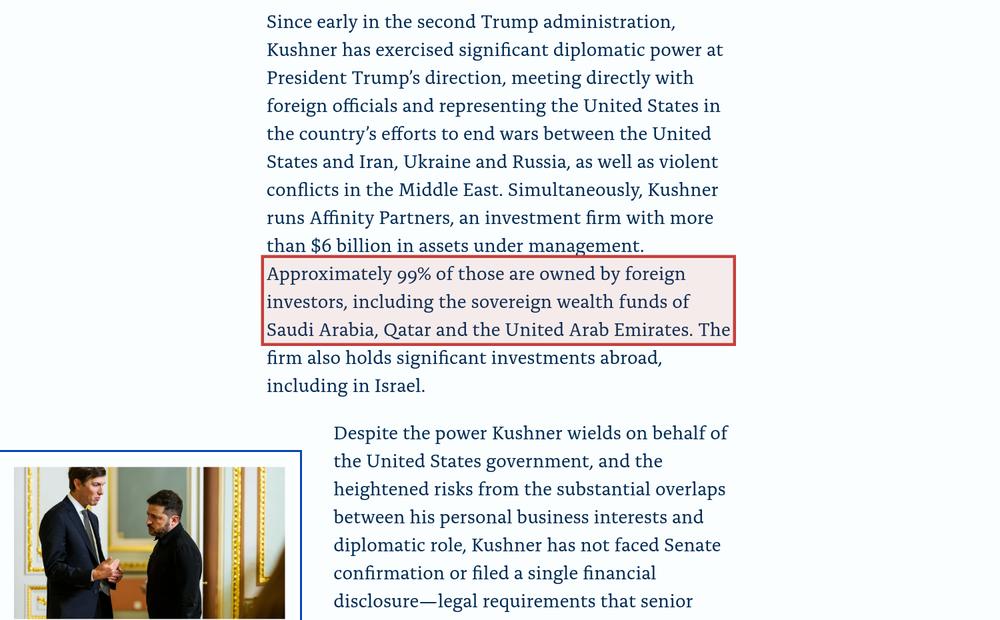
99% of his firm's assets belong to foreign investors, including Saudi Arabia and Qatar.
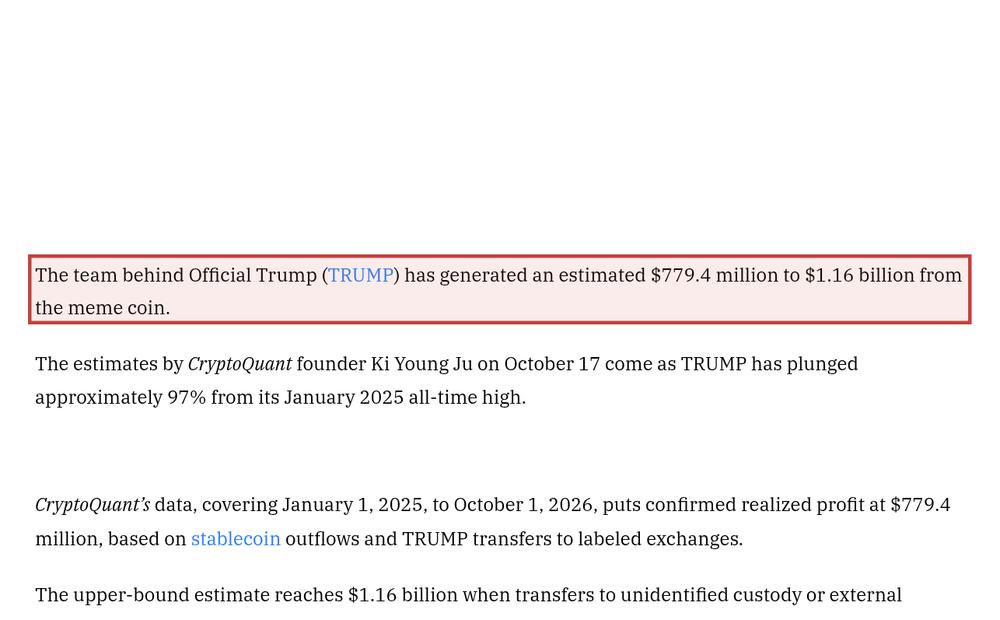
The coin is down 97% from its peak.